Understanding Drones Ecosystem: Trends in Development, Employment & Regulations for Drones Operations - Batch - 1
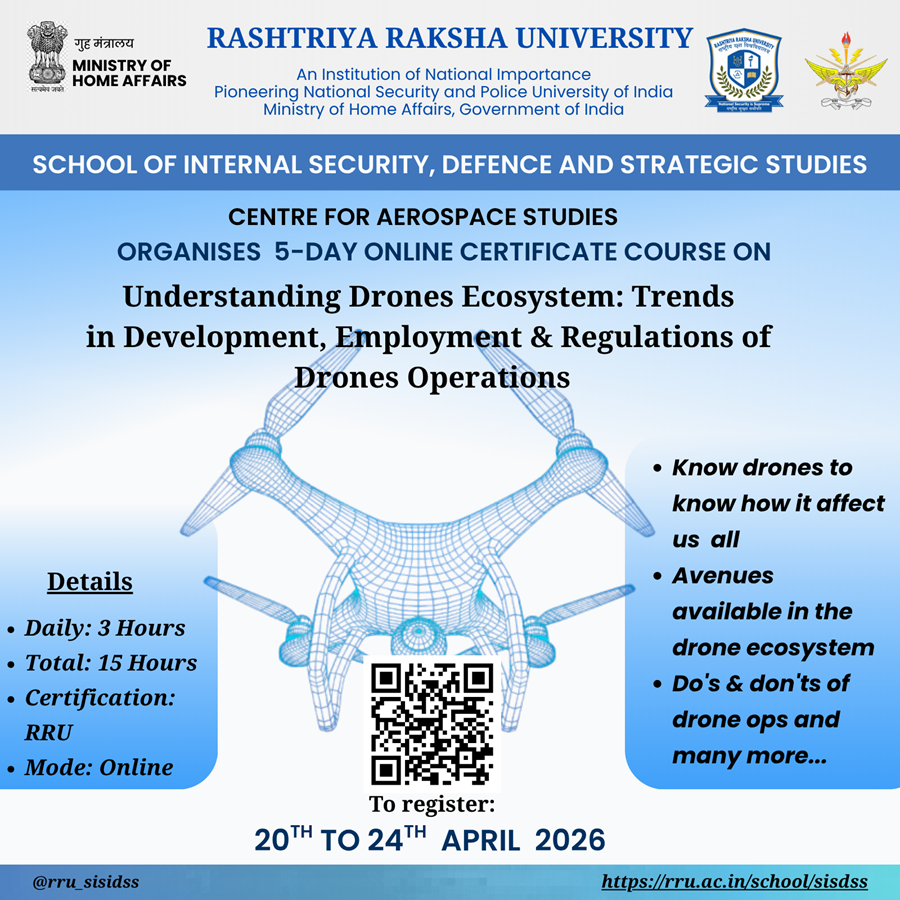
Description
The rapid evolution of unmanned aerial systems (UAS), commonly known as drones, has fundamentally transformed operational environments across civil, commercial and security domains. From surveillance and disaster response to logistics, infrastructure monitoring and defence applications; drones are now integral part of modern technological ecosystems. This growing relevance necessitates a structured understanding of drone technology, regulatory frameworks, operational principles, emerging counter drone measures. Understanding Drones Ecosystem: Trends in Development, Employment & Regulations for Drones Operations course is designed to address this need by equipping participants with essential knowledge and situational awareness required to operate, regulate or engage with drone ecosystems responsibly and effectively.
Delivered in an online format over five days, the programme introduces participants to the foundational architecture of drone systems while situating their use within national and international regulatory frameworks. The course begins by examining stakeholders, aviation norms and India’s evolving drone regulations, including certification, classification, operational guidelines and compliance mechanisms. This regulatory grounding ensures that participants understand both the opportunities and responsibilities associated with drone operations.
Building on this framework, the course explores the science of flight through aerodynamics and flight principles. Participants gain conceptual clarity on take-off dynamics, maneuvering, navigation and the operational behavior of unmanned platforms. Subsequent modules provide a technical overview of rotorcraft and hybrid drone systems, including system architecture, mission planning and comparative performance characteristics. This technical exposure enhances operational literacy while promoting informed decision-making in deployment and risk assessment.
Recognising the expanding strategic footprint of drones, the programme also addresses applications across civil governance, security and emerging technological domains. Discussions extend to the broader drone ecosystem in India, including innovation initiatives, indigenous development and future trajectories influenced by technologies such as artificial intelligence and digital systems integration. Participants are encouraged to evaluate both capabilities and limitations, fostering a balanced understanding of operational potential and systemic challenges.
A critical component of the course examines the security dimension of unmanned systems. With the proliferation of drone technology comes the parallel rise of rogue and hostile applications. The programme introduces participants to anti-drone technologies, threat detection frameworks, tracking systems and neutralisation methods. By analysing contemporary operational lessons and counter-UAS strategies, participants develop awareness of vulnerabilities and protective measures essential for safeguarding critical infrastructure and public safety.
Ultimately, the course adopts a multidisciplinary approach that integrates regulatory knowledge, technical fundamentals, operational awareness and security perspectives. It aims to cultivate informed practitioners capable of navigating the evolving drone landscape with responsibility, compliance and strategic insight. Upon completion, participants will possess a coherent understanding of drone ecosystems, enabling them to engage confidently with policy, operational planning and emerging technological developments in this rapidly advancing domain.
In light of this, the Centre for Aerospace Studies, School of Internal Security, Defence and Strategic Studies (SISDSS), Rashtriya Raksha University will be organising a 5-day Certificate Course on “Understanding Drones Ecosystem: Trends in Development, Employment & Regulations for Drones Operations”, conducted by experienced practitioners and subject-matter experts to equip participants with a comprehensive understanding of drone technology, regulatory frameworks, operational principles and counter-drone awareness, encompassing its technical, legal and security dimensions.
What you'll learn
Evolution of Drones
Application of Drones
Basic Principles of Flight
Indian Drone Eco System
Standard Operating Procedures & Regulatory Frame work for Drones’ Flying in India
Classification of Drones
UAV Hardware & Components
Functional and Technological Aspects of Drones: Emerging Trends
Counter UAS technologies
Maintenance of Drones
Requirements
Course Content
Semester with subjects
 No Semester Founds.
Experts

Mr Chintan Parmar

Mr. Abhishek Kumar

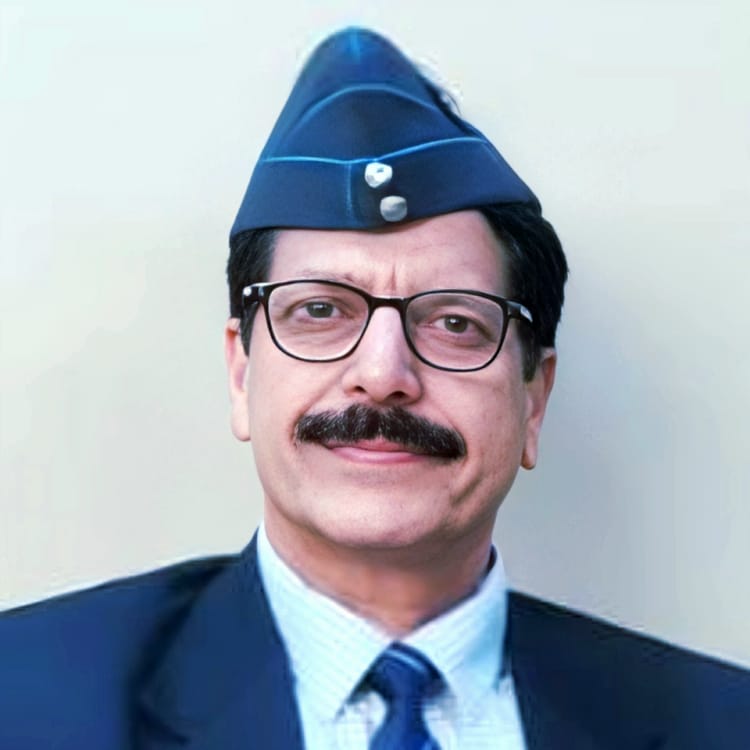
Group Captain Ajay Kishore Mishra (Retd)
Group Captain Ajay Kishore Mishra (Retd) is a distinguished Indian Air Force veteran with 33 years of exemplary service, marked by command of three frontline Air Defence units and key roles in high-stakes national security operations. A strategic thinker and TACDE-trained professional, he led critical anti-drone operations during the G20 Summit, delivering innovative, cost-efficient solutions. Renowned for leadership, he earned multiple commendations and steered units to top operational rankings. With expertise in airspace management, infrastructure development, and multi-domain security, he blends operational excellence with humanitarian values and a passion for training, technology infusion, and nation-building.
Dr. DK Pandey
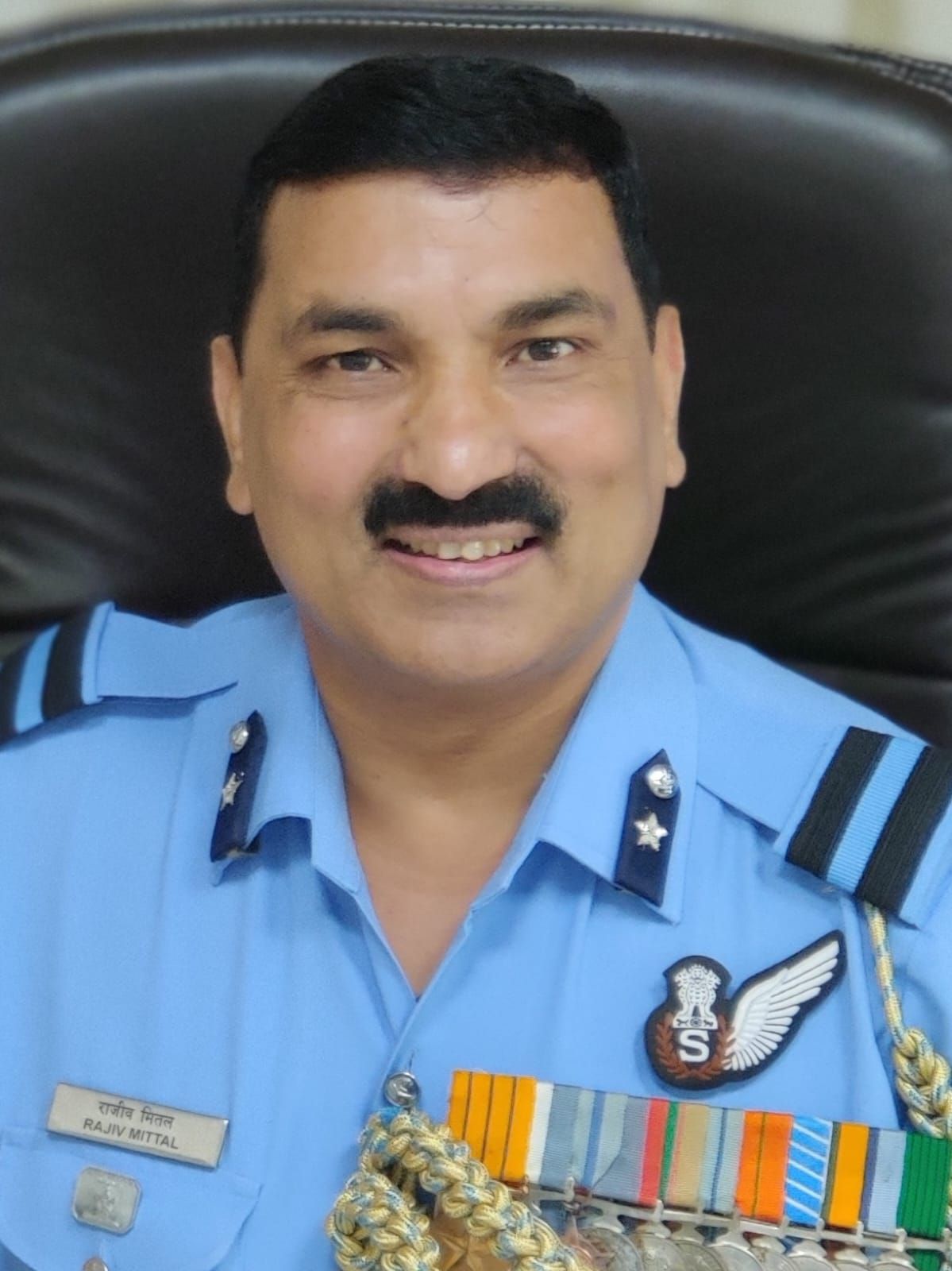
Air Commodore Rajiv Mittal VSM
Air Commodore Rajiv Mittal VSM is a decorated air force officer and an electrical engineer by training. He is also M tech in quality Engineering and MBA in marketing. An accomplished professional with over 37 years of insightful experience in theImplementation & Management of Multi-Layer Communication Networks. He asvast expertise in Communication, coordination, negotiation & motivation withproveninvestigative skills & analytical mind, identifying opportunities and working out strategiesto realize it. He has rich experience in operational planning, execution, operation and maintenanceof various signal and communication projects and big communication networks over theentire spectrum. Managing huge workforce with ease and gave quality output andmost optimum cost. Air Commodore Rajiv Mittal was responsible for START UP INIDIA MAKEININDIAINNOVATION and INDIGINISATION in Indian Air Force and has saved Hundredsof Crores and helped numerous of start ups specifically in drone and AI sectors. Air officer has been distinguished VISHISHT SEVA MEDAL by The President, Best scientist of the year award by PM besides commendation by the Chief of Air Staff and Air Officer Commanding in Chief. He is a strategic planner and thinker and writes regularly on visionary approachand strategic needs in the defence sector.
Recent Reviews